

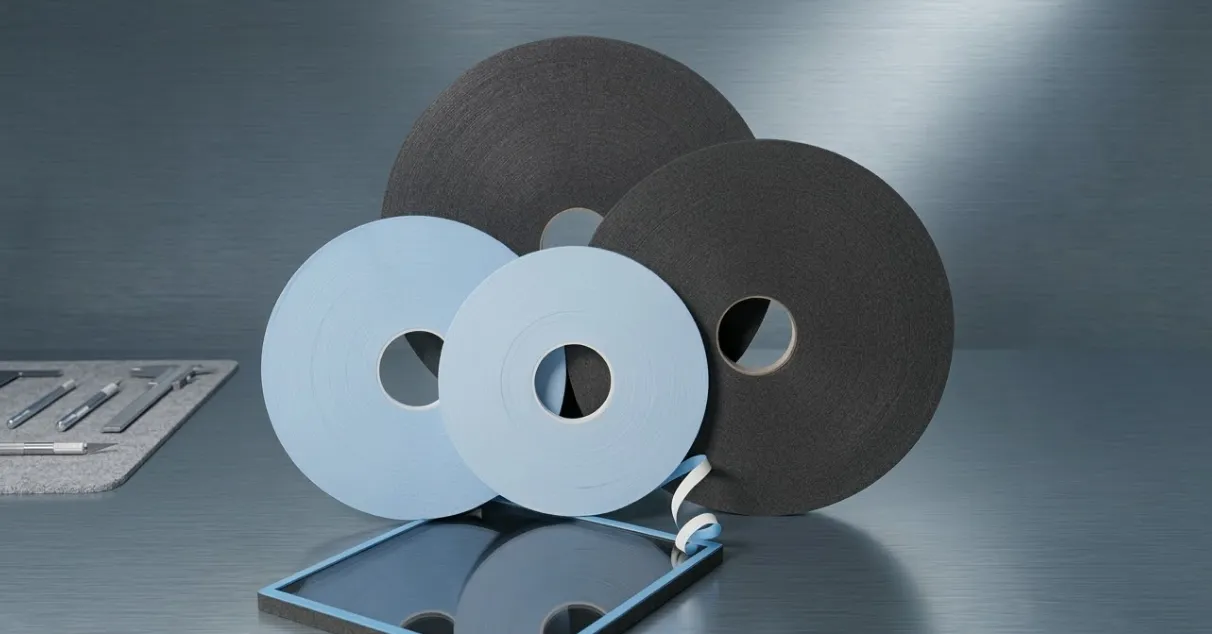
PE Foam Tape is ideal for lightweight sealing, cushioning, and gap-filling applications at a lower cost, while Acrylic Foam Tape excels in high-strength, long-term bonding on metals, plastics, and painted surfaces.
Choose PE Foam Tape when compressibility, insulation, and cost-effectiveness are priorities. Choose Acrylic Foam Tape when durability, weather resistance, and structural bonding performance are required.
What Is PE Foam Tape?
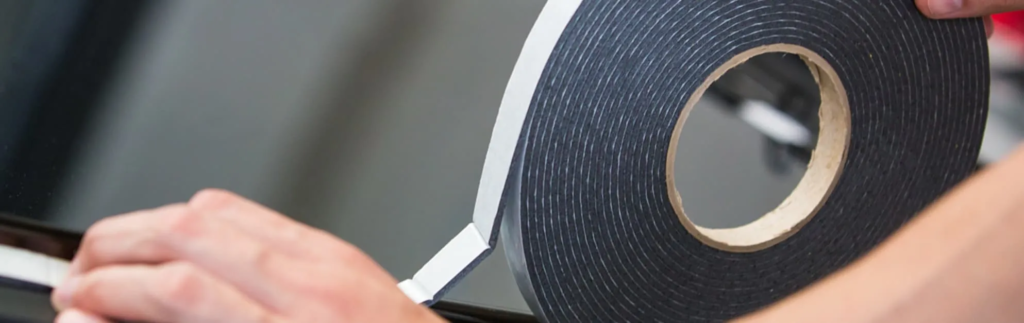
PE Foam Tape is a double-sided adhesive tape made from closed-cell polyethylene foam. It is primarily designed for sealing, cushioning, spacing, vibration damping, and light-duty mounting applications.
Key Features
Foam Core
Closed-cell polyethylene foam provides:
- Excellent compressibility
- Cushioning performance
- Shock absorption
- Gap filling capability
Adhesive System
Typically available with:
- Acrylic adhesive
- Rubber-based adhesive
- Hot melt adhesive
Depending on the application requirements.
Performance Characteristics
- Good conformability
- Vibration reduction
- Thermal insulation
- Moisture resistance
- Easy application
Common Applications
- HVAC sealing
- Automotive trim positioning
- Appliance assembly
- Sign mounting
- Window and door sealing
- General industrial assembly
Limitations
- Lower long-term load-bearing capacity
- Potential creep under continuous stress
- Limited UV resistance depending on adhesive type
- Lower temperature resistance compared with acrylic foam tapes
What Is Acrylic Foam Tape?
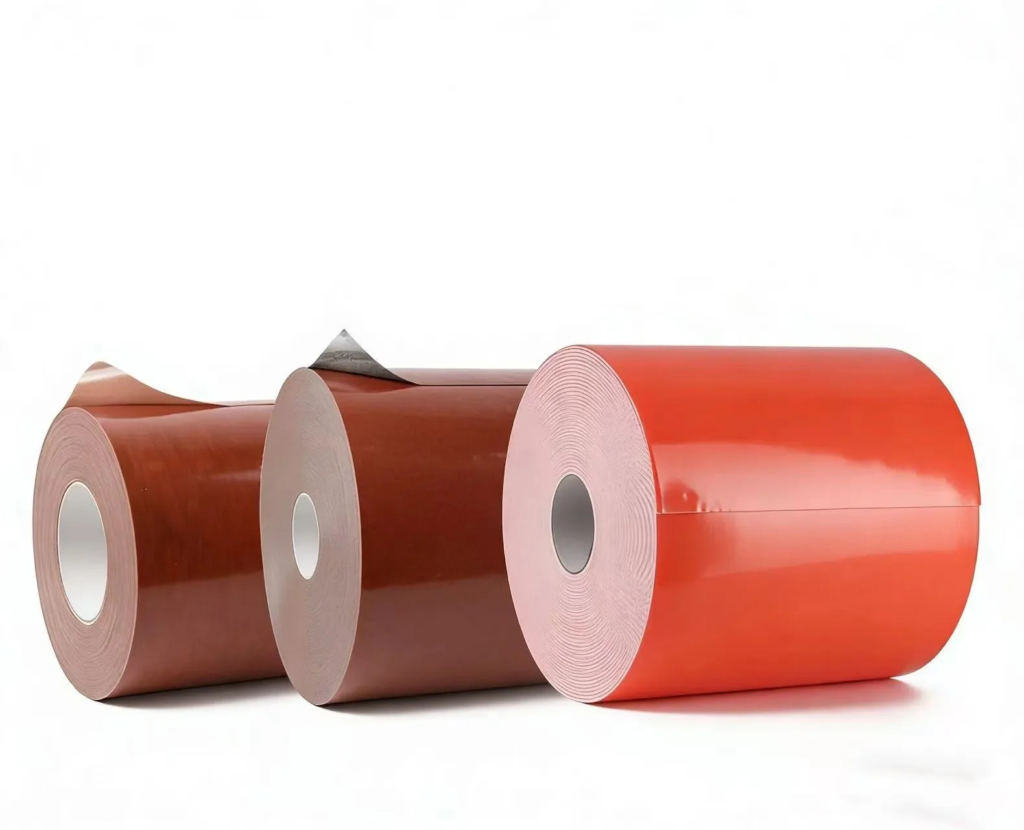
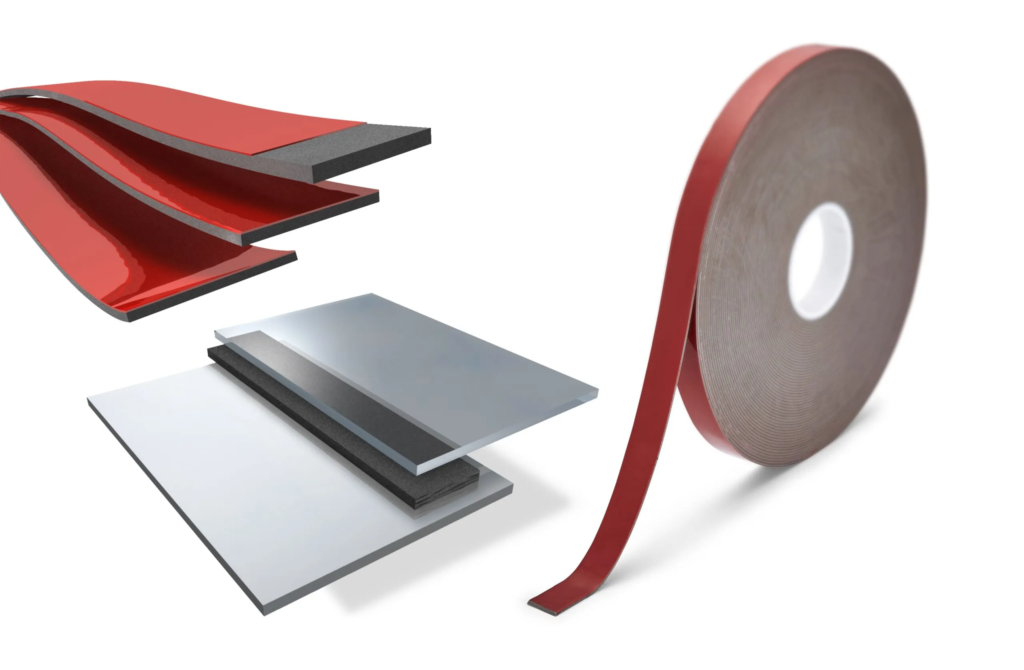
Acrylic Foam Tape is a high-performance double-sided tape featuring a viscoelastic acrylic foam core combined with acrylic adhesive technology.
Unlike PE foam tape, acrylic foam tape is engineered for long-term structural bonding and outdoor durability.
Key Features
Acrylic Foam Core
The viscoelastic core:
- Absorbs stress
- Compensates for thermal expansion
- Maintains long-term bond strength
Adhesive System
All-acrylic construction provides:
- High shear strength
- Excellent peel adhesion
- Superior environmental resistance
Performance Characteristics
- High holding power
- Exceptional weather resistance
- UV resistance
- Temperature resistance
- Long-term durability
Common Applications
- Automotive exterior trim
- Emblems and badges
- Architectural panels
- Curtain wall systems
- Electronic assemblies
- Signage installation
Limitations
- Higher material cost
- Requires proper surface preparation
- May require primer for low surface energy plastics
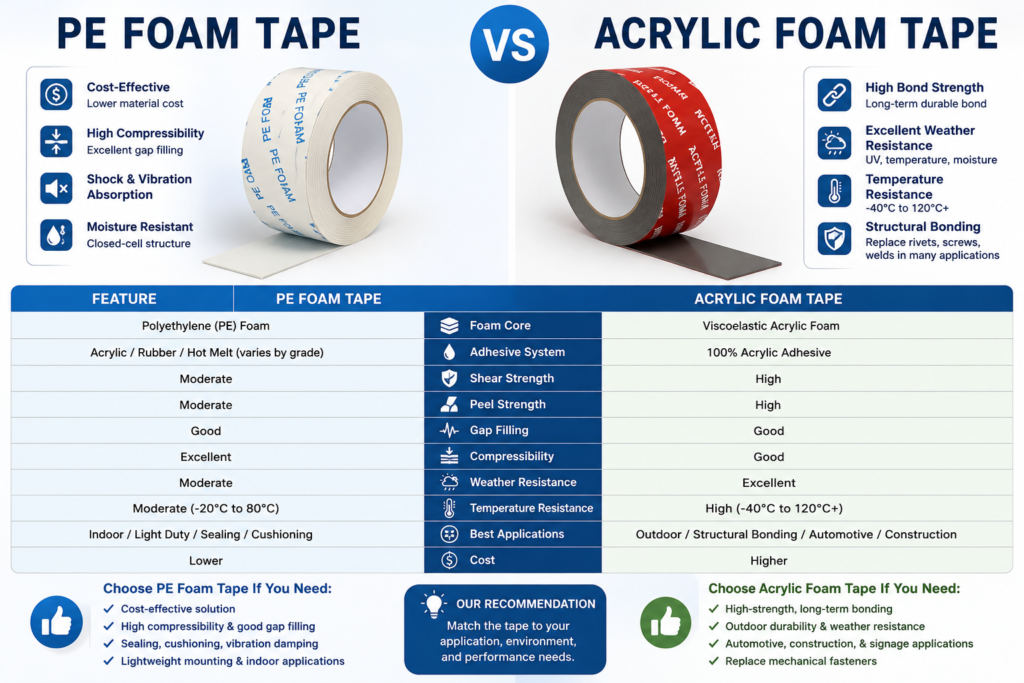
PE Foam Tape vs Acrylic Foam Tape: Key Differences
| Feature | PE Foam Tape | Acrylic Foam Tape |
|---|---|---|
| Primary Purpose | Sealing, cushioning, gap filling | Structural bonding |
| Core Material | Polyethylene foam | Acrylic foam |
| Compressibility | Excellent | Good |
| Gap Filling | Excellent | Good |
| Shear Strength | Moderate | High |
| Peel Strength | Moderate | High |
| UV Resistance | Moderate | Excellent |
| Weather Resistance | Moderate | Excellent |
| Temperature Resistance | Moderate | High |
| Outdoor Durability | Moderate | Excellent |
| Cost | Lower | Higher |
GMARK Expert Tip: Use PE Foam Tape when the joint requires compression and sealing. Use Acrylic Foam Tape whenever the bonded part must survive outdoor exposure, continuous stress, or long-term service life.
Pros and Cons Comparison
PE Foam Tape Advantages
Pros
- Lower cost
- Excellent gap-filling capability
- Good cushioning performance
- Easy to apply
- Lightweight
Cons
- Lower structural strength
- Reduced outdoor durability
- Lower temperature resistance
- Potential creep under heavy loads
Acrylic Foam Tape Advantages
Pros
- High bonding strength
- Excellent UV resistance
- Outstanding weatherability
- Superior long-term durability
- Can replace mechanical fasteners in many applications
Cons
- Higher cost
- More demanding surface preparation
- Less forgiving during repositioning
Which Tape Is Best for Your Application?
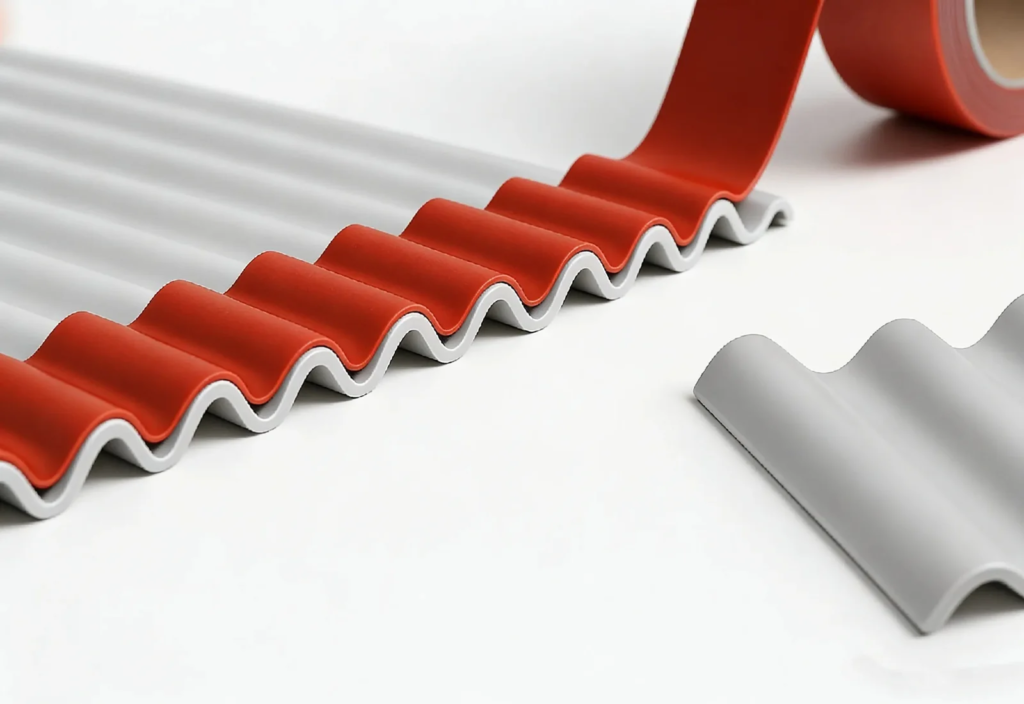
Choose PE Foam Tape If You Need:
- Sealing
- Cushioning
- Vibration damping
- Gap filling
- Cost-effective mounting
- Indoor applications
Choose Acrylic Foam Tape If You Need:
- Structural bonding
- Outdoor durability
- Automotive applications
- High-strength attachment
- UV resistance
- Long-term reliability
Application Examples
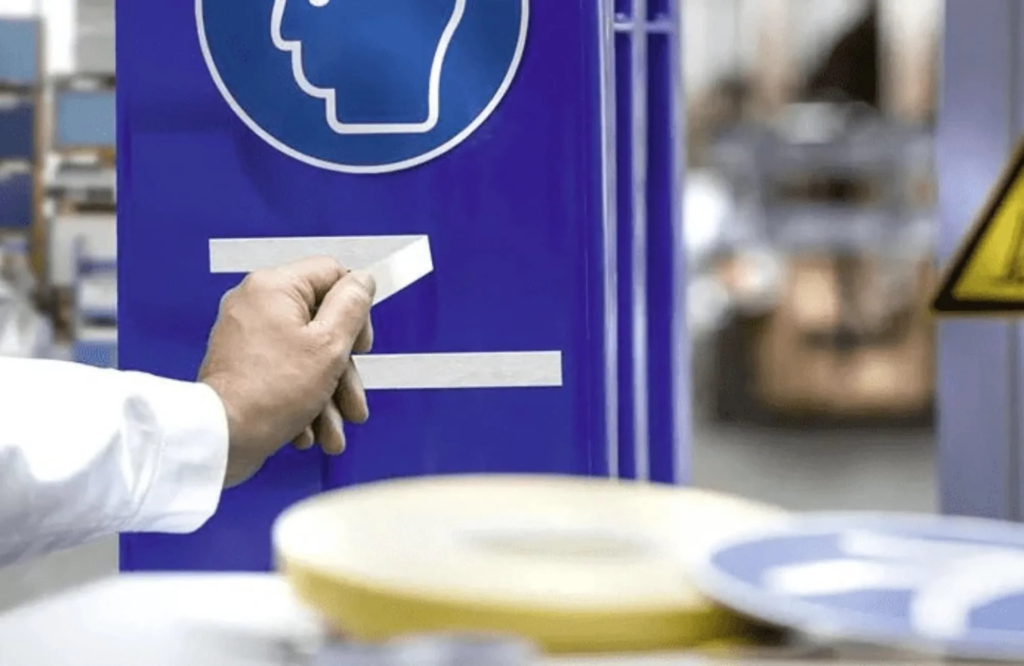
PE Foam Tape Applications
Construction
- Window glazing
- Door sealing
- HVAC insulation
Automotive
- Interior trim attachment
- Anti-rattle pads
- Sound dampening
Electronics
- Light component mounting
- Cushioning applications
Acrylic Foam Tape Applications
Automotive
- Side moldings
- Body trim
- Emblems
- Spoilers
Construction
- Curtain wall bonding
- Decorative panel mounting
- Metal facade installation
Signage
- Acrylic signs
- Metal nameplates
- Architectural lettering
Frequently Asked Questions
Which Is Stronger: PE Foam Tape or Acrylic Foam Tape?
Acrylic Foam Tape is significantly stronger in both shear and peel strength, making it suitable for structural and long-term bonding applications.
Can PE Foam Tape Be Used Outdoors?
Yes, but performance depends on the adhesive system. For long-term outdoor exposure, Acrylic Foam Tape is generally the better choice.
Can Acrylic Foam Tape Replace Mechanical Fasteners?
In many applications, yes. Acrylic Foam Tape can replace screws, rivets, and welds when the bonding area and load conditions are properly designed.
Which Tape Is Better for Gap Filling?
PE Foam Tape is usually the preferred choice because its foam structure is more compressible and adapts better to uneven surfaces.
Conclusion
Both PE Foam Tape and Acrylic Foam Tape serve important roles in industrial bonding applications.
Choose PE Foam Tape When:
- Cost is a priority
- Compression and sealing are required
- Loads are relatively low
Choose Acrylic Foam Tape When:
- Maximum bond strength is required
- Outdoor durability is critical
- Long-term performance is essential
Understanding the strengths and limitations of each tape type will help you select the most effective solution for your application while optimizing both performance and cost.