

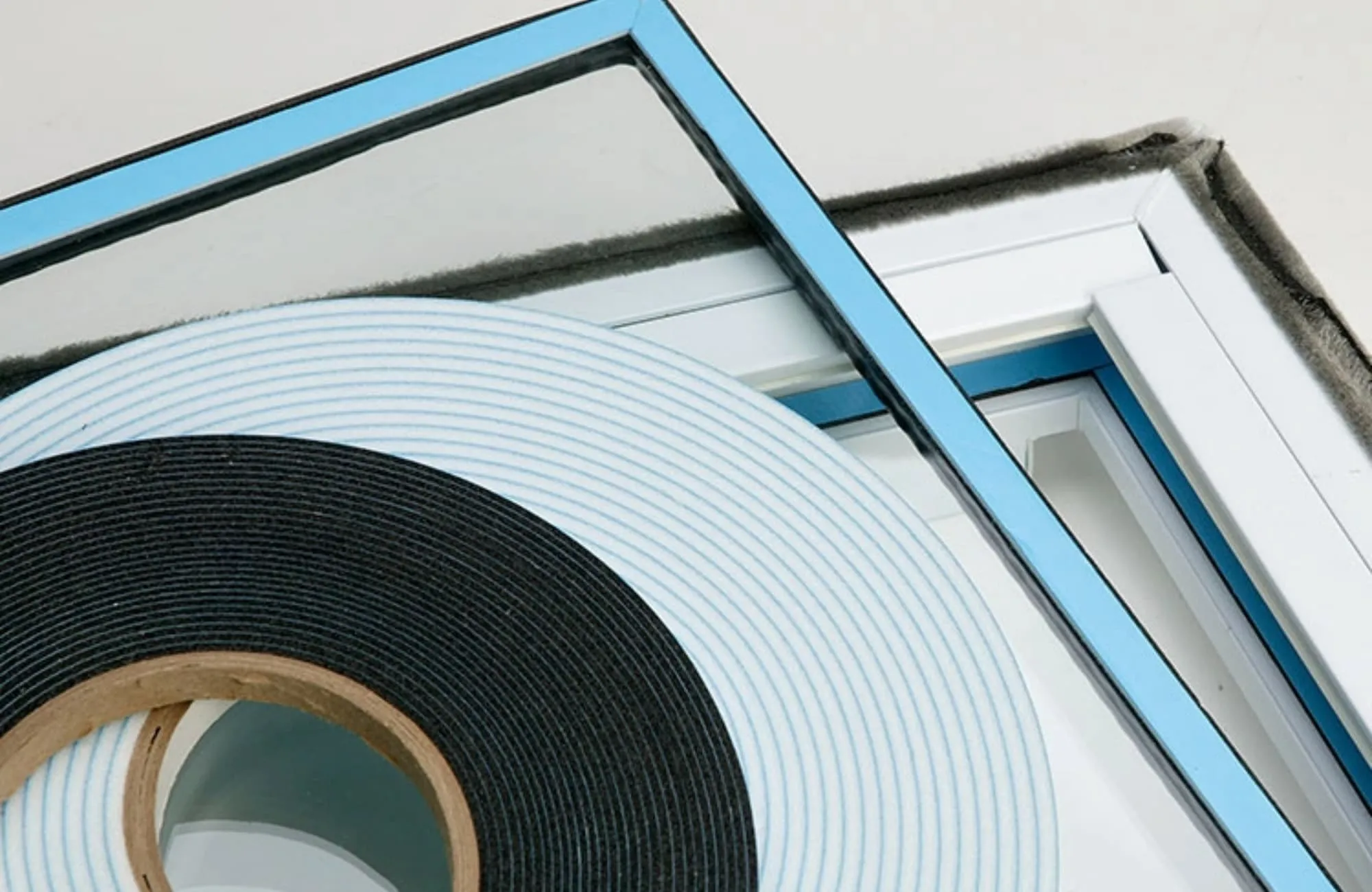
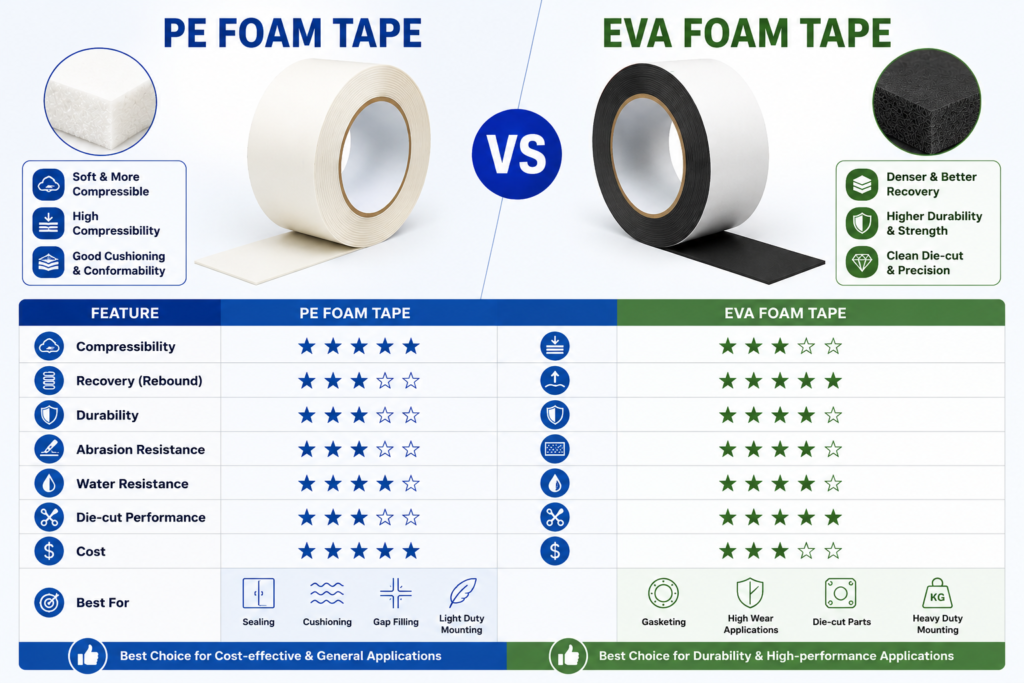
When choosing foam tape for sealing, cushioning, mounting, or gasketing applications, PE Foam Tape and EVA Foam Tape are two of the most common options.
PE Foam Tape is softer, more compressible, and cost-effective, making it ideal for gap filling and light-duty sealing applications.
EVA Foam Tape is denser, more durable, and offers better recovery performance, making it the preferred choice for die-cut gaskets, industrial sealing, and applications requiring long-term durability.
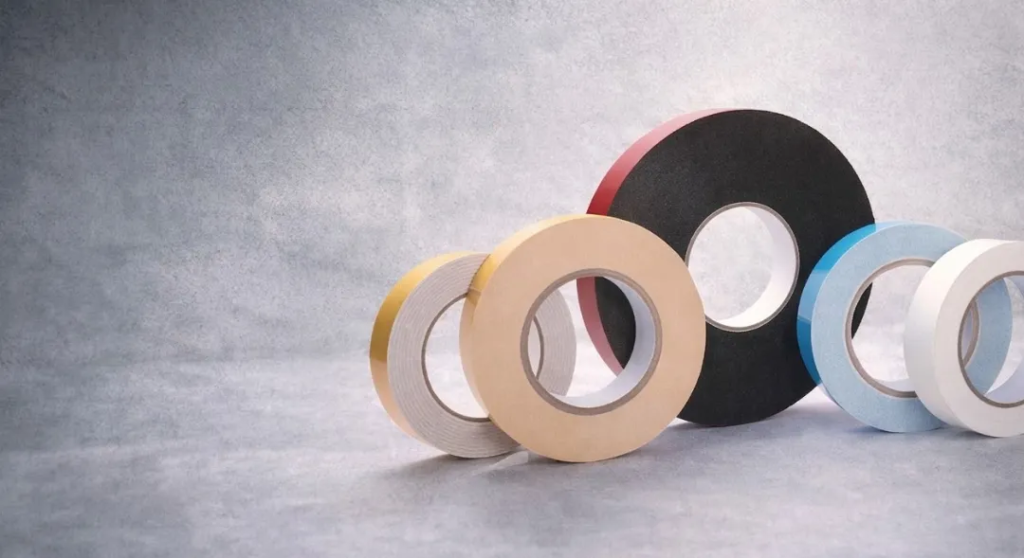
Quick Comparison
| Feature | PE Foam Tape | EVA Foam Tape |
|---|---|---|
| Foam Material | Polyethylene (PE) Foam | Ethylene Vinyl Acetate (EVA) Foam |
| Density | Low to Medium | Medium to High |
| Compressibility | Excellent | Good |
| Recovery (Rebound) | Moderate | Excellent |
| Durability | Good | Excellent |
| Abrasion Resistance | Moderate | High |
| Die-Cutting Performance | Good | Excellent |
| Cost | Lower | Higher |
| Best For | Sealing & Cushioning | Gasketing & Long-Term Performance |
What Is PE Foam Tape?
PE Foam Tape is a pressure-sensitive adhesive tape made from closed-cell polyethylene foam.
It is widely used for:
- Sealing
- Cushioning
- Vibration damping
- Gap filling
- Light-duty mounting
Its soft structure allows it to conform easily to uneven surfaces, making it an economical solution for many industrial applications.
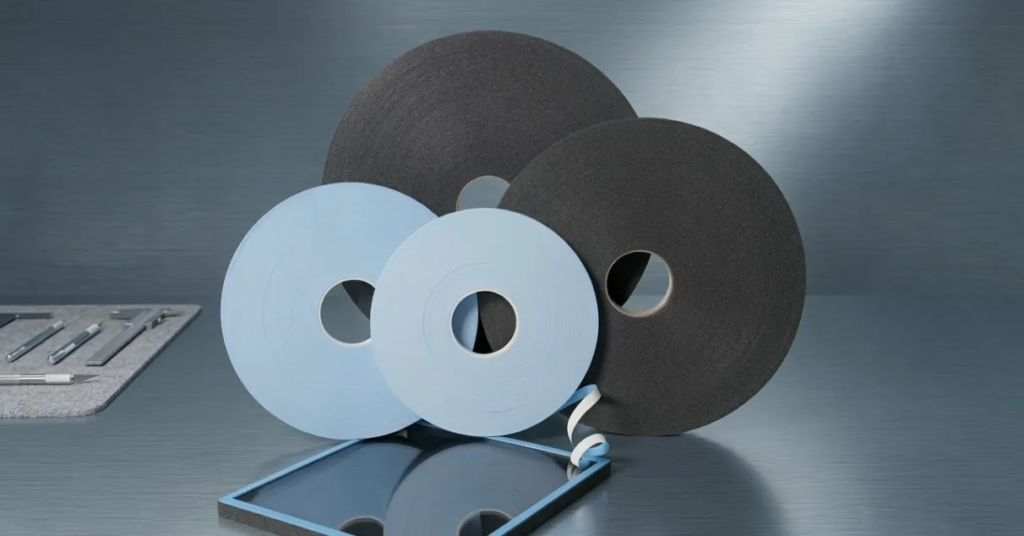
Key Features of PE Foam Tape
Closed-Cell Foam Structure
Provides:
- Excellent compressibility
- Shock absorption
- Thermal insulation
- Moisture resistance
Adhesive Options
Available with:
- Acrylic adhesive
- Rubber adhesive
- Hot melt adhesive
Performance Benefits
- Soft and flexible
- Easy to compress
- Good surface conformity
- Lightweight
- Cost-effective
Typical Applications
- HVAC sealing
- Appliance gasketing
- Window and door sealing
- Packaging protection
- Sign mounting
- General industrial assembly
Limitations
- Lower abrasion resistance
- Lower load-bearing capability
- Can compress permanently under long-term pressure
- Reduced durability compared to EVA foam
What Is EVA Foam Tape?
EVA Foam Tape is manufactured using ethylene vinyl acetate foam combined with pressure-sensitive adhesives.
Compared with PE foam, EVA foam provides:
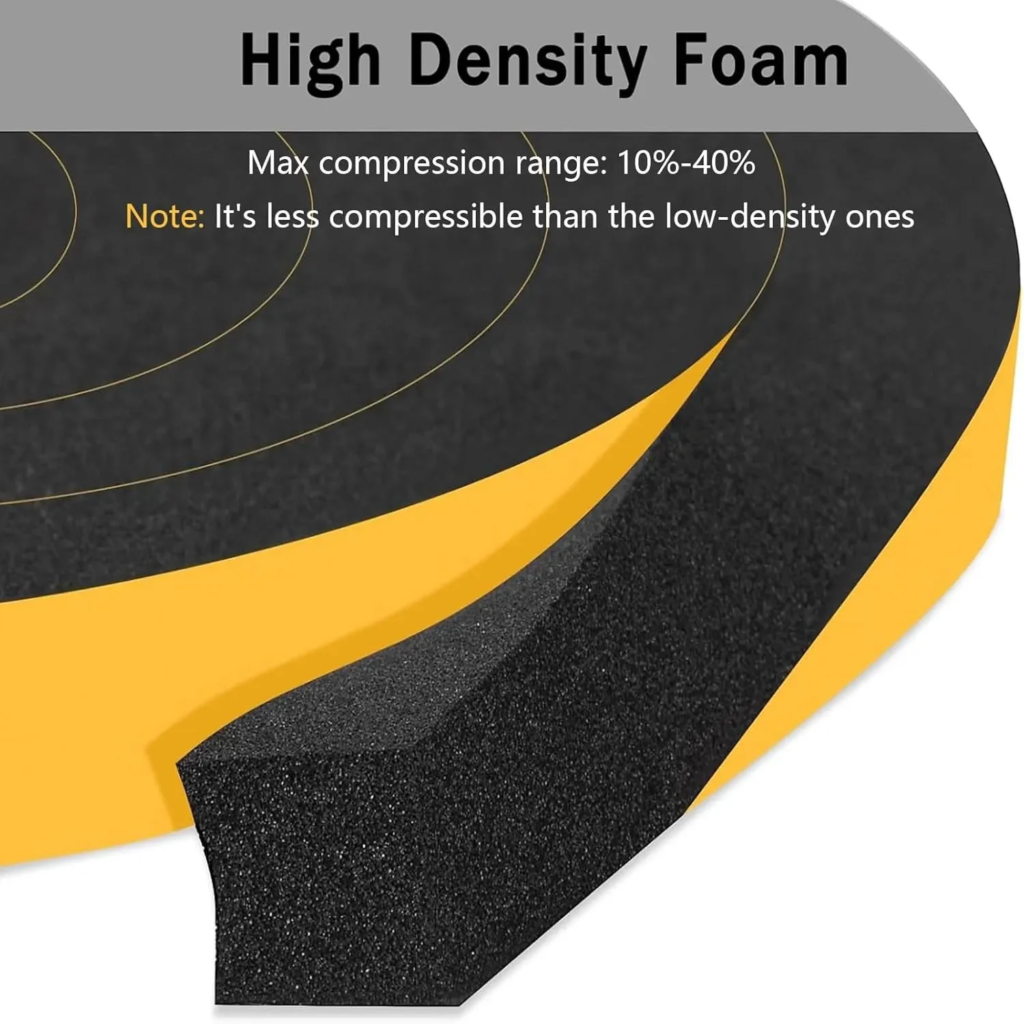
- Higher density
- Better elasticity
- Stronger recovery performance
- Greater durability
It is commonly used in industrial and automotive applications where long-term performance is critical.
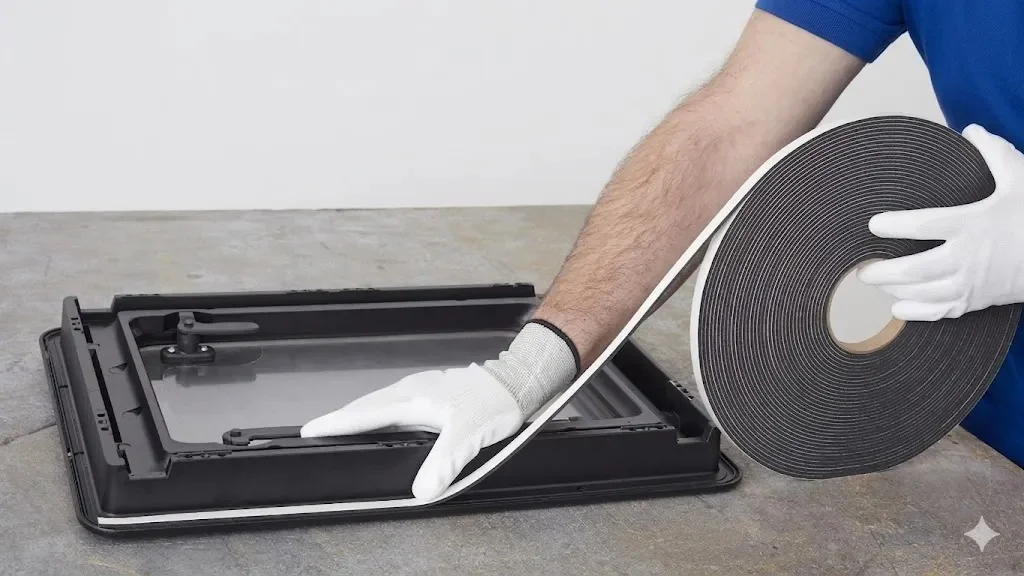
Key Features of EVA Foam Tape
Dense Closed-Cell Foam Core
Provides:
- Excellent resilience
- Strong recovery after compression
- Better wear resistance
- Improved dimensional stability
Adhesive Options
Available with:
- Acrylic adhesive
- Rubber adhesive
Performance Benefits
- Superior durability
- Better rebound properties
- Stronger gasket performance
- Cleaner die-cut edges
Typical Applications
- Automotive gasketing
- Electronic cushioning
- Industrial sealing
- Die-cut foam parts
- Mounting pads
- Protective components
Limitations
- Higher material cost
- Less conformable on rough surfaces
- Firmer feel than PE foam
PE Foam Tape vs EVA Foam Tape: Key Differences
Foam Density
PE Foam Tape
- Softer
- Lower density
- Easier to compress
EVA Foam Tape
- Higher density
- Firmer structure
- Better dimensional stability
Compression Recovery
PE Foam Tape
Good compressibility but may develop compression set after long-term loading.
EVA Foam Tape
Excellent rebound performance and maintains its shape longer after repeated compression cycles.
Durability
PE Foam Tape
Suitable for general-purpose applications with moderate wear requirements.
EVA Foam Tape
Better suited for demanding industrial applications requiring extended service life.
Abrasion Resistance
PE Foam Tape
Moderate resistance to wear and surface friction.
EVA Foam Tape
Higher resistance to abrasion and mechanical wear.
Die-Cutting Performance
PE Foam Tape
Can be die-cut effectively but may produce softer edges.
EVA Foam Tape
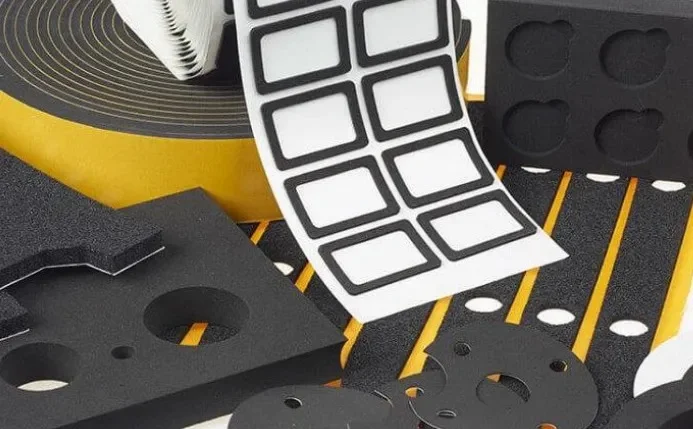
Produces cleaner and more precise die-cut components.
This makes EVA a preferred material for:
- Automotive gaskets
- Electronic components
- Precision sealing parts
Cost Comparison
| Item | PE Foam Tape | EVA Foam Tape |
|---|---|---|
| Material Cost | Lower | Higher |
| Processing Cost | Lower | Moderate |
| Service Life | Moderate | Longer |
| Overall Value | Cost-Effective | Performance-Oriented |
Pros and Cons Comparison
PE Foam Tape
Advantages
- Lower cost
- Excellent cushioning
- High compressibility
- Easy to apply
- Good sealing performance
Disadvantages
- Lower durability
- More prone to compression set
- Reduced abrasion resistance
EVA Foam Tape
Advantages
- Better durability
- Superior rebound performance
- Cleaner die-cutting
- Better wear resistance
- Longer service life
Disadvantages
- Higher cost
- Less flexible
- Reduced conformity on rough surfaces
Which Foam Tape Should You Choose?
Choose PE Foam Tape If You Need:
- Cost-effective sealing
- Cushioning and vibration damping
- Gap filling
- General-purpose mounting
- Lightweight applications
Choose EVA Foam Tape If You Need:
- Long-lasting gaskets
- Repeated compression performance
- Better wear resistance
- Precision die-cut parts
- Automotive or industrial applications
Application Examples
PE Foam Tape Applications
Construction
- Window sealing
- Door sealing
- HVAC insulation
Packaging
- Protective cushioning
- Product stabilization
Electronics
- Light-duty mounting
- Anti-vibration pads
EVA Foam Tape Applications
Automotive
- Interior gaskets
- Exterior seals
- Noise reduction components
Electronics
- Protective padding
- Component isolation
Industrial Equipment
- Die-cut seals
- Compression gaskets
- Long-term mounting pads
Frequently Asked Questions
Which Is Better for Gaskets?
EVA Foam Tape is generally better for gasketing applications because it offers stronger rebound performance and resists permanent compression.
Is PE Foam Tape More Waterproof Than EVA Foam Tape?
Both PE and EVA foam tapes typically use closed-cell foam structures and provide excellent water resistance.
Actual waterproof performance depends more on:
- Foam density
- Surface skin quality
- Adhesive system
Which Tape Supports Heavier Loads?
Mounting performance is primarily determined by:
- Adhesive type
- Bonding area
- Surface energy
However, EVA Foam Tape’s denser structure generally provides better support for heavier applications.
Can Both Materials Be Die-Cut?
Yes.
Both PE and EVA foam tapes can be converted into:
- Gaskets
- Washers
- Pads
- Custom die-cut components
EVA foam is often preferred when tighter tolerances and cleaner edges are required.
Conclusion
Both PE Foam Tape and EVA Foam Tape have unique advantages.
Choose PE Foam Tape When:
- Budget is important
- High compressibility is required
- Cushioning and sealing are priorities
Choose EVA Foam Tape When:
- Durability is critical
- Repeated compression is expected
- Precision die-cutting is required
Selecting the right foam tape depends on your application requirements, performance expectations, and budget considerations.